


Multi-Domain SSL SAN / UCC
A Multi-Domain SSL certificate (also called SAN SSL or UCC) secures multiple completely different domains and subdomains under a single certificate. One SSL covers yourdomain.com, otherbrand.com, mail.company.org — and up to 250 Subject Alternative Names total. Ideal for managing multiple brands, Exchange servers, and complex domain portfolios.
Starting price — multiple domains, one certificate
Try risk-free with a 30-day money-back guarantee
Multi-Domain SSL certificates — also known as Subject Alternative Name (SAN) or Unified Communication Certificates (UCC) — allow you to secure multiple completely different domains, subdomains, and hostnames under a single certificate. Where a Wildcard SSL covers unlimited subdomains of one domain, a Multi-Domain SSL covers entirely different FQDNs.
For example, a single Multi-Domain SSL can cover yourdomain.com, otherbrand.net, mail.company.org, shop.anotherdomain.co, and many more — all managed from one certificate with one CSR, one verification process, and one renewal date. UCC/SAN certificates support up to 250 SAN entries.
Multi-Domain SSL certificates are available in DV (Domain Validation) and OV (Organization Validation) versions, and are fully compatible with Microsoft Exchange Server, Office 365, and all major web server platforms.
Filter by brand. All plans support multiple domains and subdomains under one certificate.
Set up your Managed Multi-Domain SSL with one simple step
01. After purchasing Managed Multi-Domain SSL, submit a request with all the domain names you wish to secure. Follow the link in your email or contact our support team to get started.
Our team handles verification and installation across all your domains. That's the "managed" in Managed SSL.
A step-by-step guide to installing your SAN/UCC certificate
01. Generate a CSR: List all domains to be covered as Subject Alternative Names in your Certificate Signing Request.
02. Verify each domain: The CA will verify your control over each domain listed in the certificate (DV) or your organization identity (OV).
03. Download your certificate: Download the Multi-Domain certificate and intermediate chain from your SSL dashboard.
04. Install on your server(s): Install the certificate on all relevant servers. The same certificate file covers all listed domains.
05. Verify all domains: Check each domain in a browser to confirm the padlock appears and the certificate details show all SANs.
Secure yourdomain.com, otherbrand.net, mail.company.org — and up to 250 completely different FQDNs — all under one SAN SSL certificate.
One CSR, one verification, one renewal, one dashboard — instead of managing dozens of separate certificates across all your domains and brands.
Multi-Domain UCC certificates are the recommended certificate type for Microsoft Exchange Server and Office 365 deployments — covering all required hostnames in one certificate.
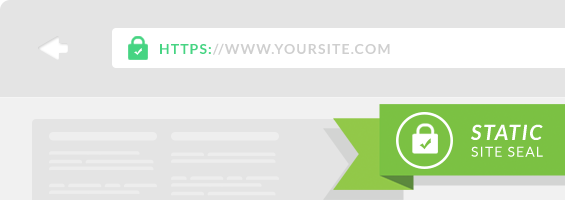
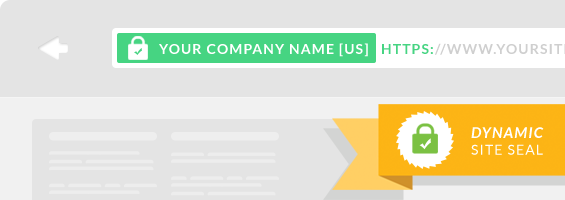
Whether you run a single business with multiple domain brands, a hosting company managing client domains, or an enterprise with complex infrastructure including Exchange Server, Active Directory Federation Services, and multiple public-facing sites — a Multi-Domain SSL certificate is the most efficient solution.
SAN/UCC certificates can also combine wildcard entries within their SAN list, meaning you can secure *.yourdomain.com (all subdomains of one domain) alongside otherbrand.com and thirddomain.net — all in a single certificate.
This flexibility makes Multi-Domain SSL the most versatile certificate type available — used extensively in enterprise, SaaS, and hosting environments worldwide.
HTTPS (HyperText Transfer Protocol Secure) ensures all data exchanged between a visitor's browser and your server is encrypted in transit — preventing interception, tampering, or eavesdropping. The "S" confirms an SSL/TLS certificate is active.
A Multi-Domain SSL certificate works exactly like a standard SSL but includes a Subject Alternative Names (SAN) extension in the certificate's X.509 structure. This extension lists every domain and hostname the certificate is valid for. Browsers check this list to confirm a domain is covered — and show the padlock accordingly.
OBHost offers Multi-Domain SSL from Sectigo, Thawte, DigiCert, and GeoTrust — in both DV and OV validation levels, covering up to 250 SANs per certificate.


Managing multiple domains without SSL means every unsecured domain shows visitors a "Not Secure" warning — damaging trust across every brand you operate. A Multi-Domain SSL certificate resolves this for your entire portfolio in one purchase.
One certificate, one renewal, total coverage. Whether you manage two domains or two hundred, Multi-Domain SSL simplifies security across your entire infrastructure while ensuring every visitor on every domain sees the trusted padlock.
Everything about SAN SSL, UCC certificates, Wildcard SANs, flex domains, and Exchange Server compatibility.
💡 Quick Reference
SAN = Subject Alternative Name
UCC = Unified Communication Certificate
FQDN = Fully Qualified Domain Name
SANs can be domains, subdomains, or IPs
Sectigo · Thawte · DigiCert · GeoTrust · OBHost · DV & OV · Up to 250 SANs
Exchange Ready · Flex SAN support · 30-day money-back · 200,000+ Customers · Since 2014